wilhelmson arkitekter:
=====================================
projects:
=====================================
> new kiruna /2006-/
> reflection /2005-/
> esbo /2005/
> 13K gallery /2005-/
> gångsätra /2005-/
> alderholmen /2005-/
> maria sofia /2004-/
> hamnen /2004/
> stockholm 2030 /2003-/
> the snow show /2002-/
information:
=====================================
> selected bibliography
> selected cv
> selected projects
> collaborators
> the enigma of departure
contact:
=====================================
> wilhelmson arkitekter
> ranhammarsvägen 20
> se-168 67 stockholm
> sweden
> office@wilhelmson.se
villa hansson /2012-/ --------> home
=====================================
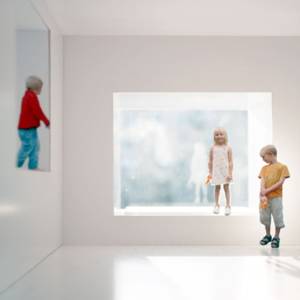
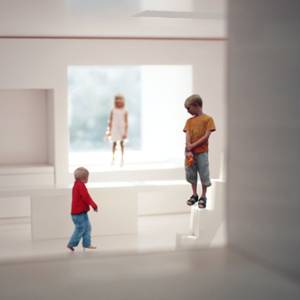
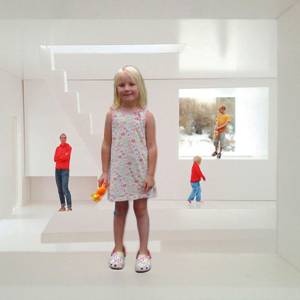
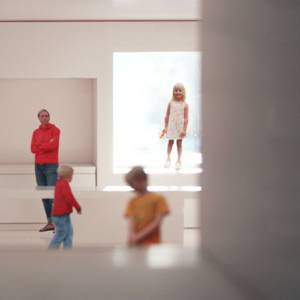
summer house on Aspö island in Stockholm
archipelago
a small summer house with an adjacent
boathouse/guesthouse for a family of five. the house is formed around a large
living space with small closable bed cubicles at each side. the cubicles acts
daytime as sitting/window niches.
client: kristian hansson
------------
villa hansson --------------------
model: wilhelmson arkitekter
--
villa hansson --------------------
model: wilhelmson arkitekter
--
villa hansson --------------------
model: wilhelmson arkitekter
--
villa hansson --------------------
model: wilhelmson arkitekter
--
> ---> home
bdx kiruna /2012-/ -----------> home
=====================================
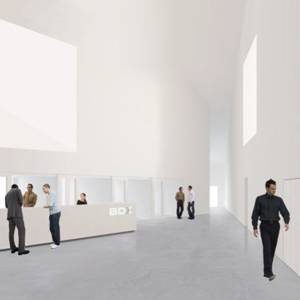
office building for mining logistics
company BDX in Kiruna
located in an industrial area of Kiruna.
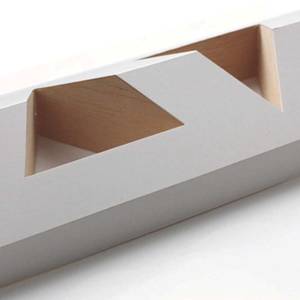
the building is formed around two triangular courtyards with horizontal light shafts
taking full advantage of the low sun in northern Sweden. very straight forward
in material and execution.
the building is under construction but
with divergent detail execution from what was originally planned and without
consent of wilhelmson arkitekter.
client: Tyréns, BDX
------------
bdx kiruna --------------------
illustration: wilhelmson /björn andersson
> download image 1: hi res
> download image 2: hi
res
--
bdx kiruna --------------------
model: wilhelmson arkitekter
--
bdx kiruna --------------------
model: wilhelmson arkitekter
--
> ---> home
plus landskrona /2011-/ ------> home
=====================================
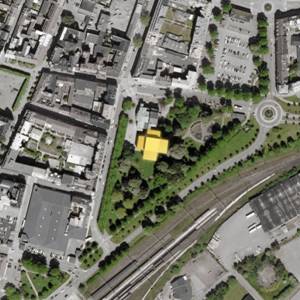
new cultural building next to the old
theatre in Landskrona, limited competition
the new building functions as an extension
of the current theatre by the addition of a black
box. together with three new cinemas, these four spaces are cantilevered at
different heights above ground and accessed from a grand atrium, forming an
irregular, three dimensional golden cross. the atrium functions as the
circulatory space between the different levels, and as a lobby that, together
with the restaurant below, can accommodate different events and activities
during a conference or exhibition setting. on top of the building, just above
the surrounding tree canopies, there is an outdoor roof terrace providing a 360
degrees view over the park, the sea, and the city.
the project is put on hold.
client: Landskrona Stad
------------
plus landskrona -------------------
illustration: wilhelmson /björn andersson
> download image 1: hi
res
> download image 2: hi
res
--
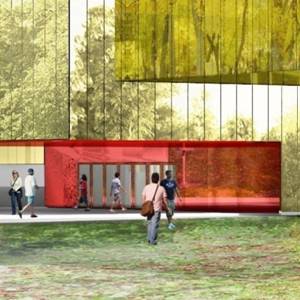
plus landskrona -------------------
illustration: wilhelmson
/peter thuvander, björn andersson
--
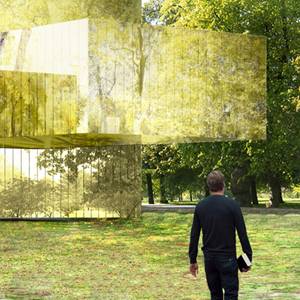
plus landskrona -------------------
illustration: wilhelmson
/peter thuvander, björn andersson
--
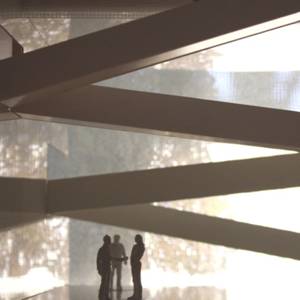
plus landskrona -------------------
model: wilhelmson /alexia staaf
> download image: hi res
--
> ---> home
röldal /2011-/ ---------------> home
=====================================
open competition for a visitor centre in
relation to the pilgrimage church in Röldal, Norway
the
visitor centre is broken down to a series of freestanding volumes, the largest contains
the visitor centre proper, other buildings contain offices, burial chapel,
storage and toilets. all buildings has equal heights but different footprints
and are all made exclusively of reinforced concrete outside and inside. the
great lobby of the visitor centre is formed as a large room-sized chimney.
------------
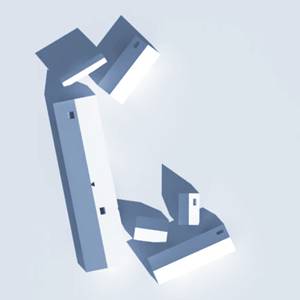
röldal --------------------
illustration: wilhelmson /björn andersson
--
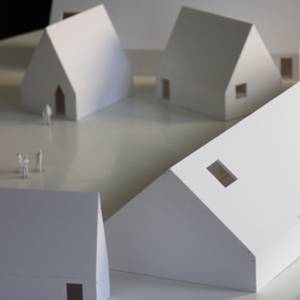
röldal --------------------
model: wilhelmson /alexia staaf
--
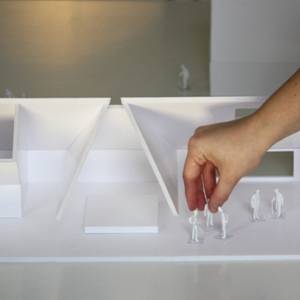
röldal --------------------
model: wilhelmson /alexia staaf
--
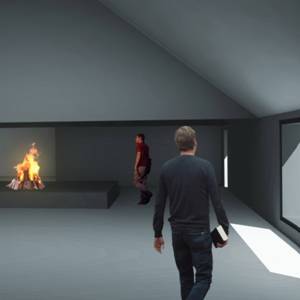
röldal --------------------
illustration: wilhelmson /björn andersson
--
> ---> home
sumeyra’s hus /2010-/ --------> home
=====================================
project
for the Building Blocks exhibition at Färgfabriken, Stockholm
the
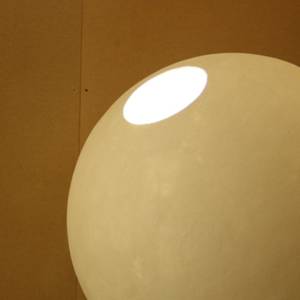
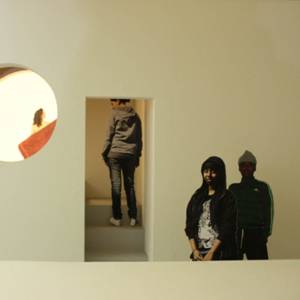
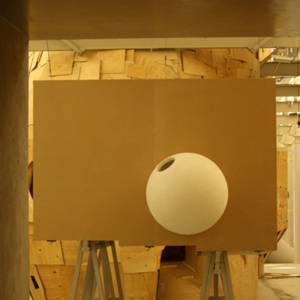
future house for a young girl, Sumeyra, and her dreams about her coming home.
formed around a large room with an upper floor made up of a hanging net. the
bathroom is formed like a hollow sphere. The project was presented as a large
model in scale 1:5, large enough to position your head within.
client: Färgfabriken, Medium, Arkitekturmuseet
------------
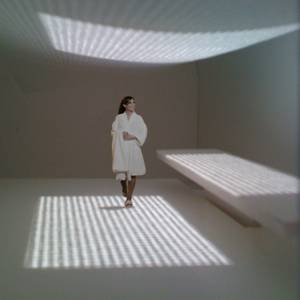
sumeyra’s hus --------------------
model: wilhelmson arkitekter
--
sumeyra’s hus --------------------
model: wilhelmson arkitekter
--
sumeyra’s hus --------------------
model: wilhelmson arkitekter
--
sumeyra’s hus --------------------
model: wilhelmson arkitekter
--
> ---> home
kungshatt /2010-/ ------------> home
=====================================
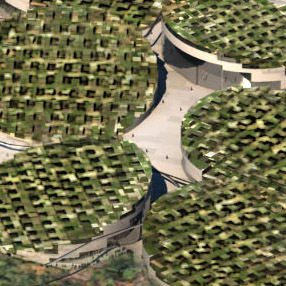
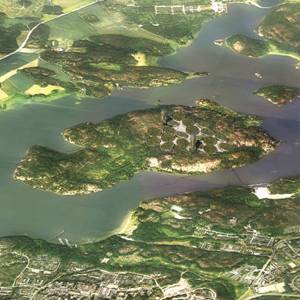
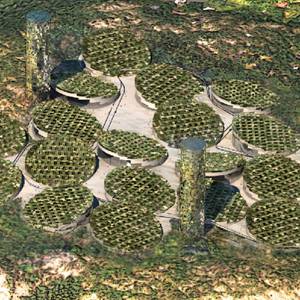
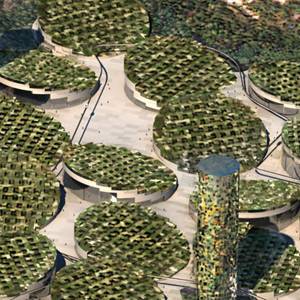
urban development project for 20.000
residents on Kungshatt island, Ekerö
the
project plans to connect to the new highway which will bypass the city of
Stockholm north and northwest. the highway are mainly planned to be through
tunnels and Kungshatt is proposed to connect through a large underground
parking and bus terminal. proposed as a high density low rise urban area,
totally devoid of car traffic.
client: Framtidsstaden Kungshatt
------------
kungshatt --------------------
illustration: wilhelmson /peter thuvander
> download image: hi
res
--
kungshatt --------------------
illustration: wilhelmson /peter thuvander
> download image: hi
res
--
kungshatt --------------------
illustration: wilhelmson /peter thuvander
> download image: hi
res
--
kungshatt --------------------
illustration: wilhelmson /peter thuvander
> download image: hi
res
--
> ---> home
floating house /2009-/ -------> home
=====================================
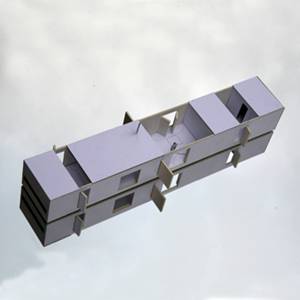
a floating house originally planned for a
location in the Luleå archipelago is now being devloped for lake Holmajärvi,
Kiruna
a floating summerhouse made of massive
dark tared wood, which is reachable only by small commuter boat. The house is
formed by a linear organisation of indoor rooms and outdoor enclosed courtyards.
planned for summer 2014
client: Tuomo and Catti Huurinainen,
Kiruna, Sweden
------------
floating house --------------------
model: wilhelmson arkitekter
--
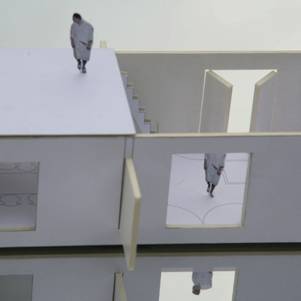
floating house --------------------
model: wilhelmson arkitekter
--
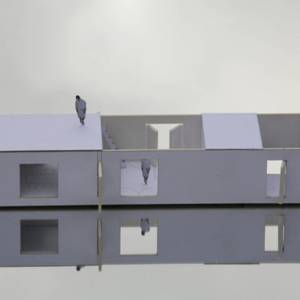
floating house --------------------
model: wilhelmson arkitekter
--
> ---> home
kvarnholmen /2009-/ ----------> home
=====================================
residential
buildings for limited competition
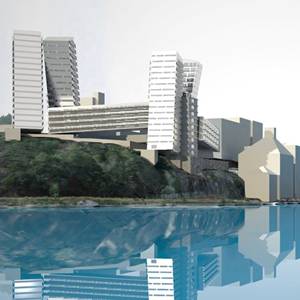
the
site, a former grand scale mill, has a stunning position at the sea-approach to
Stockholm. the residential towers echoes the old flour silos, and creates an
simple but yet complex image.
client: Kvarnholmen utvecklings AB (KF Fastigheter, JM) and Nacka
Kommun
------------
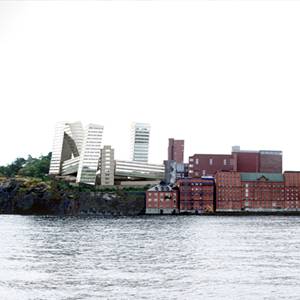
kvarnholmen --------------------
illustration: wilhelmson
/danyal taylan, björn Andersson
> download image: hi
res
--
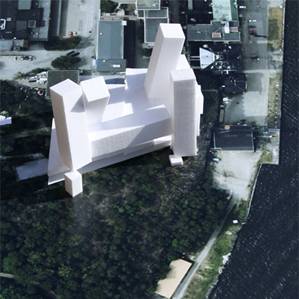
kvarnholmen --------------------
model: wilhelmson /danyal taylan
> download image: hi
res
--
kvarnholmen --------------------
illustration: wilhelmson /danyal taylan
> download image: hi
res
--
> ---> home
BMC /2009-/ ------------------> home
=====================================
remodelling of BMC (Bio Medical Centre)
Uppsala University, limited competition
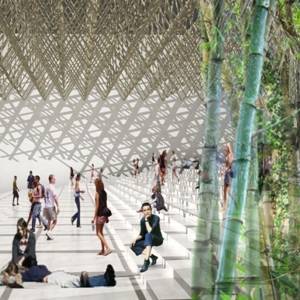
the remodelling centred on a large new
entrance lobby with adjoining new auditoriums, transforming the existing 60s
structuralist building into a modern educational building. The large looby has
a roof made of steel and bamboo.
client: Uppsala Universitet, Akademiska Hus
------------
bmc --------------------
illustration: wilhelmson arkitekter
> download image: hi res
--
> ---> home
pålsjö /2008-/ ---------------> home
=====================================
upper-end residential block in Helsingborg
the city of Helsingborg in the southern part
of Sweden is beautifully located on the shore of the narrow strait Öresund
which separates Sweden from Denmark.
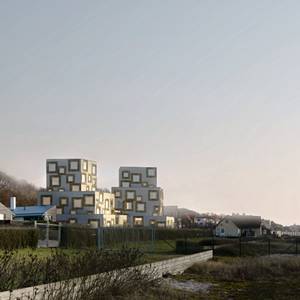
the block consists of two equal but not
identical, six stories buildings. The overall form is that of two small
ziggurats creating long shallow terraces. all apartments are planned to be
custom made, following certain general constrains. in total there are 14
apartments of which 9 are duplex. Most apartments have views in all directions.
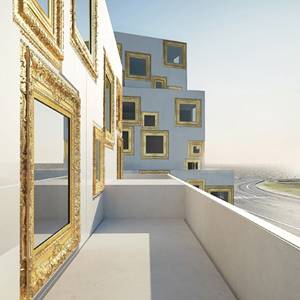
the gilded window frames, made of casted
aluminium, gives the building a sensual yet memorable appearance, which
transgress the normal distinction between modern and traditional architecture.
the diverted surface of the gilded frames catch and diffuse the light, and
reflects it in the glossy enamelled wall panels of its neighbours.
from the inside the different windows
frame views of the sea or towards the city or the wood. From the outside the
reflection of the natural environment during daytime, slowly through
overlaying, are transformed into framed interiors during evening and night.
the project was never executed.
client: HSB Nordvästra skåne, Helsingborg Sweden
------------
pålsjö --------------------
illustration: wilhelmson
/peter thuvander, danyal taylan
> download image 1: hi
res
> download image 2: hi res
--
pålsjö --------------------
illustration: wilhelmson
/peter thuvander, danyal taylan
> download image: hi res
--
> ---> home
anne frank & jag /2007-/ -----> home
=====================================
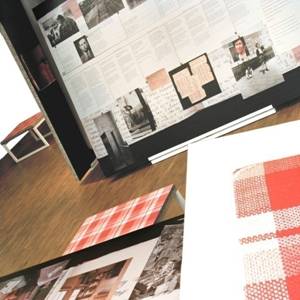
exhibition design for the Anne Frank & Jag exhibition at Forum för Levande
Historia in, Stockholm, produced together with the
Anne Frank Haus in Amsterdam.
client: Forum för Levande Historia
------------
anne frank & jag -----------------
photo: wilhelmson arkitekter
--
> ---> home
uppenbar(a)t /2006-2007/ -----> home
=====================================
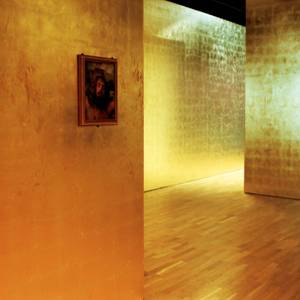
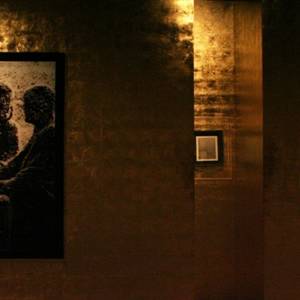
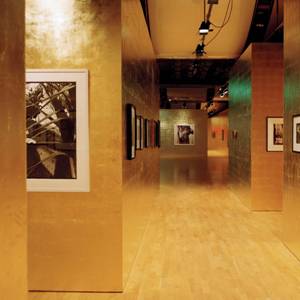
exhibition design for the Uppenbar(a)t exhibition at Kulturhuset Stockholm. The
large 300sqm exhibition space was fully enclosed with walls that had been
gilded from top to bottom with thin gold-leafs.
Uppenbar(a)t – Images of Christ in the
Photographical Medium.
October 2006 – January 2007
client: Kulturhuset, Stockholm
------------
uppenbar(a)t ----------------------
photo: wilhelmson arkitekter
--
uppenbar(a)t ----------------------
photo: wilhelmson arkitekter
--
uppenbar(a)t ----------------------
photo: wilhelmson arkitekter
--
> ---> home
jonsson/evans /2006/ ---------> home
=====================================
exhibition design for the Sune Jonsson möter Walker Evans exhibition at
Kulturhuset Stockholm.
Sune Jonsson möter Walker Evans
May 2006 – September 2006
curator: Hasse
Persson, Borås Konstmuseum
client: Kulturhuset, Stockholm
------------
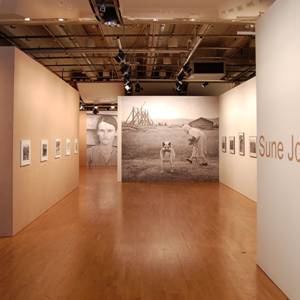
jonsson/evans ---------------------
photo: wilhelmson arkitekter
--
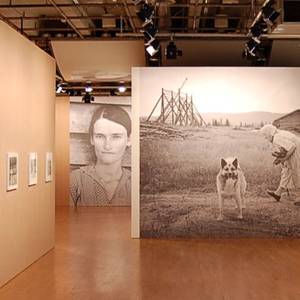
jonsson/evans ---------------------
photo: wilhelmson arkitekter
--
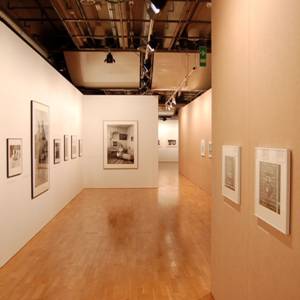
jonsson/evans ---------------------
photo: wilhelmson arkitekter
--
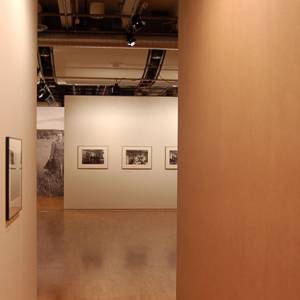
jonsson/evans ---------------------
photo: wilhelmson arkitekter
--
> ---> home
slussen /2006/ ---------------> home
=====================================
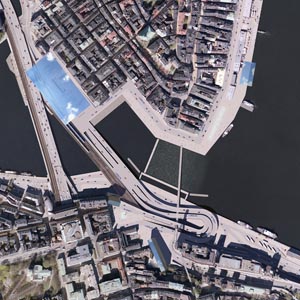
wilhelmson plus proposal for the slussen area in
wilhelmson plus are
presented at Kulturhuset Stockholm
22/03/06
for further information
please contact: ba@wilhelmson.se or
call
+46 8 55 60 09 30
------------
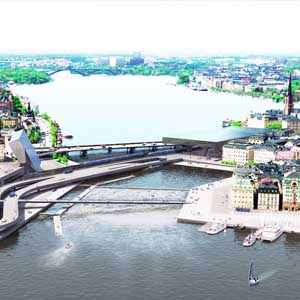
slussen --------------------
illustration: peter thuvander, pia-lina andersson, peter sundin
> download image 1: hi res
> download image 2: hi res
--
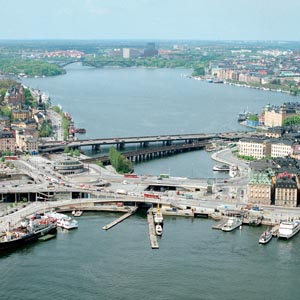
slussen --------------------
foto: stockholm stadsbyggnadskontor
> download image: hi
res
--
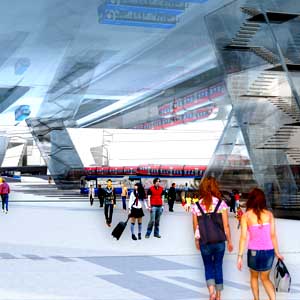
slussen --------------------
illustration: peter thuvander, pia-lina andersson, peter sundin
> download image: hi res
--
slussen --------------------
illustration: björn andersson
> download image 1: hi res
> download image 2: hi res
> download image 3: hi res
--
> ---> home
new kiruna /2006-/ -----------> home
=====================================
in collaboration with ÅF-Infraplan AB
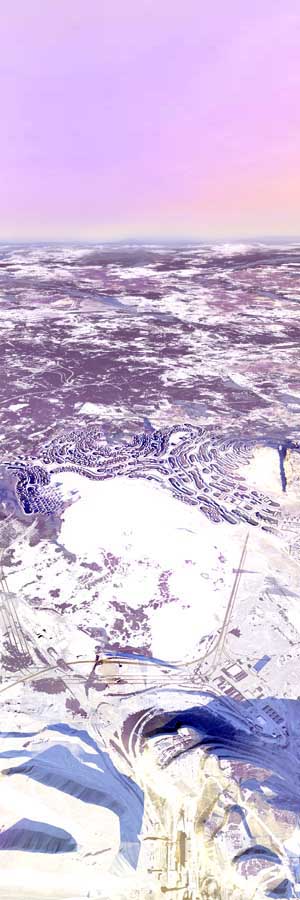
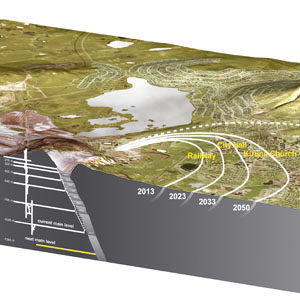
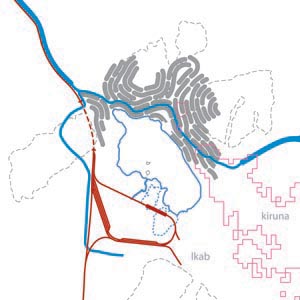
the arctic city of Kiruna has to be relocated due to the effect of predicted
mining subsidence caused by the continual mining of the Kirunavaara ore body
that stretches down under the existing city.
wilhelmson have been involved with the planning for the relocation of the city
of Kiruna since 2005 as consultants for the mining company LKAB. the initial
study for the relocation of the city of Kiruna resulted in a proposal that was
presented to the public 01/03/06
on the 8th of January 2007 the decision was made by the municipal council of
Kiruna to move the city towards the northwest in accordance with the LKAB
study.
you can find
more detailed information about the New Kiruna project by downloading the
official report: Nya Kiruna – Nordvästra alternativet, Stadsutveckling
01/03/06.
> download: pdf
(Swedish version only)
exhibited
at the Swedish Museum of Architecture in the exhibition Arctic Cities
for
further information please contact: ba@wilhelmson.se or
call
+46 8 55 60 09 30
client: LKAB
------------
new kiruna --------------------
illustration: peter thuvander, björn andersson, peter sundin
new kiruna from
the south with the LKAB mine in the foreground
> download
image: hi
res
--
new kiruna --------------------
animation: wilhelmson
sample movie from VR model 08/12/2006
wilhelmson is currently working on an interactive real-time 3D visualization
(VR model) of New Kiruna.
--
new kiruna --------------------
illustration: peter thuvander, björn andersson
birdseye view
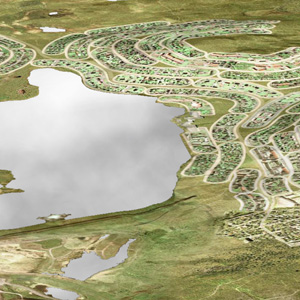
of the new kiruna growing seamlessly from the existing city. the deserted mine
to the right and the kirunavaara mine to the left and the lake luossajärvi in
the centre.
> download image: hi res
--
new kiruna --------------------
illustration: einar rodhe, björn andersson
section showing
the ore body penetrating under the present city of kiruna and the estimated
progression of the deformation zone forcing it´s relocation.
> download image: hi res
--
new kiruna --------------------
illustration: wilhelmson
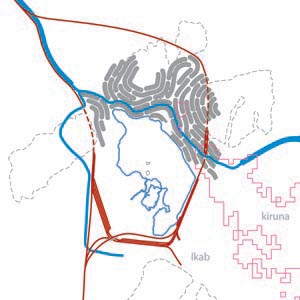
railroad alternative with a tunnel through Luossavaara
> download image: hi res
--
new kiruna --------------------
illustration: wilhelmson
railroad alternative with a loop south of lake Luossajärvi
> download image: hi res
--
new kiruna --------------------
illustration: björn andersson, ivo lejon
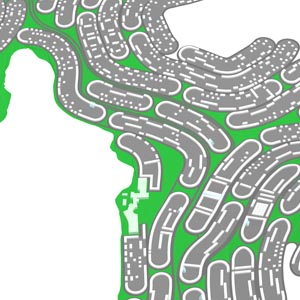
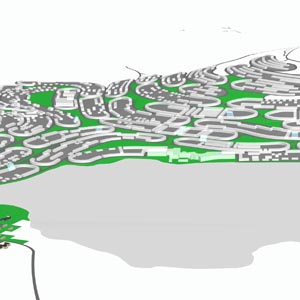
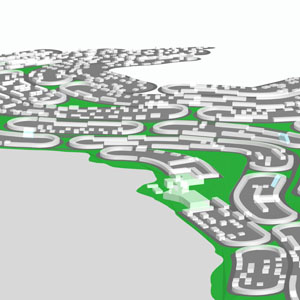
kiruna town plan
conceived as an environmental grid structure consisting of 90 meter wide blocks
meandering across the landscape. Netscape meets Landscape
> download
image: hi
res
--
new kiruna --------------------
illustration: björn andersson, ivo lejon
> download image: hi res
--
new kiruna --------------------
illustration: björn andersson, ivo lejon
> download
image: hi
res
--
> ---> home
=====================================
the proposal Reflektion (Reflection) was awarded the first prize in an invited
competition for a storage building located in the
client:
structure: Francesco Gammarota, Dewhurst Macfarlane and Partners,
------------
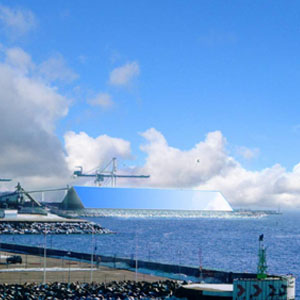
reflection --------------------
illustration: peter thuvander, oscar hafvenstein
> download
image: hi res
--
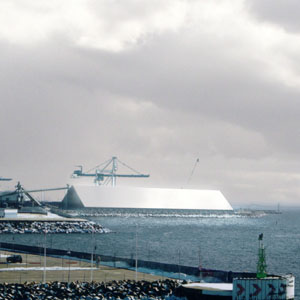
reflection --------------------
illustration: peter thuvander, oscar hafvenstein
> download
image: hi res
--
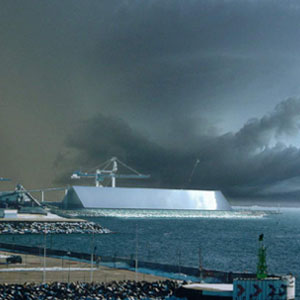
reflection --------------------
illustration: peter thuvander, oscar hafvenstein
> download
image: hi res
--
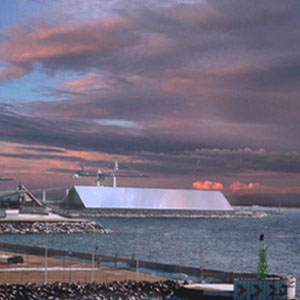
reflection --------------------
illustration: peter thuvander, oscar hafvenstein
> download
image: hi res
--
reflection --------------------
animation: peter thuvander, måns nyman
> download movie: reflection
--
> ---> home
esbo /2005/ ------------------> home
=====================================
competition proposal for 2000 housing units in Esbo, Finland.
The
project addresses the problem of housing mixtures and the possibility of
creating individual housing units within a uniform framework.
competition
------------
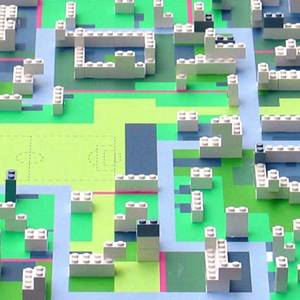
esbo ------------------------------
model: wilhelmson /elin rosenberg
> download image: hi
res
--
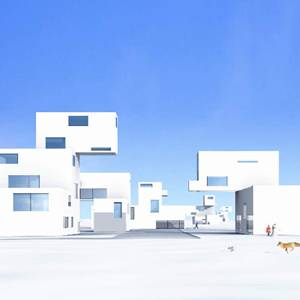
esbo ------------------------------
illustration: wilhelmson /peter thuvander
> download image: hi
res
--
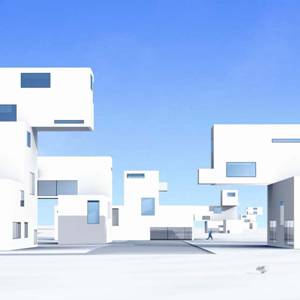
esbo ------------------------------
illustration: wilhelmson /peter thuvander
> download image: hi
res
--
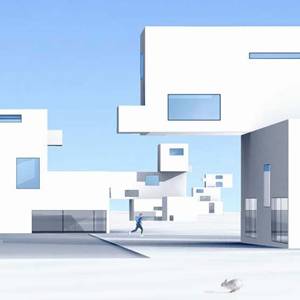
esbo ------------------------------
illustration: wilhelmson /peter thuvander
> download image: hi
res
--
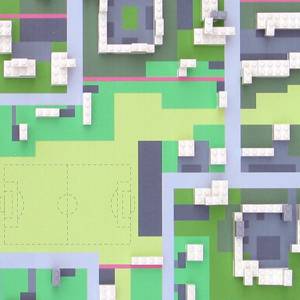
esbo ------------------------------
model: wilhelmson /elin rosenberg
> download image: hi
res
--
> ---> home
13K gallery /2005-/ ----------> home
=====================================
project for a new shoppingcenter located on Kullagatan in the old town of
client: Fastighetsbolaget Kullagatan
graphics: Sweden, Stockholm
------------
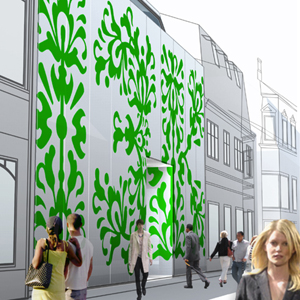
13K gallery in helsingborg ----------
illustration: peter thuvander, oscar hafvenstein
> download image: hi res
--
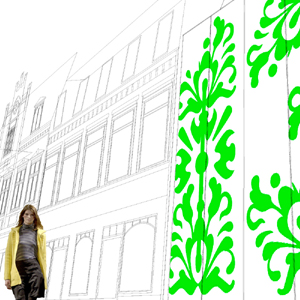
13K gallery in helsingborg ----------
illustration: peter thuvander, oscar hafvenstein
--
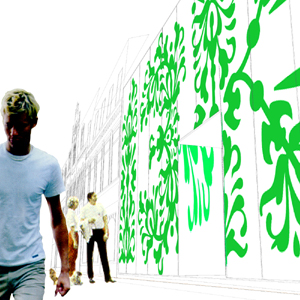
13K gallery in helsingborg ----------
illustration: peter thuvander, oscar hafvenstein
--
> ---> home
=====================================
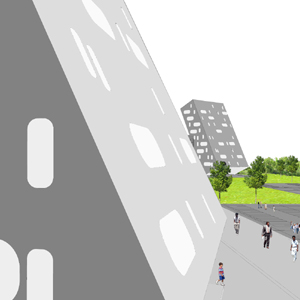
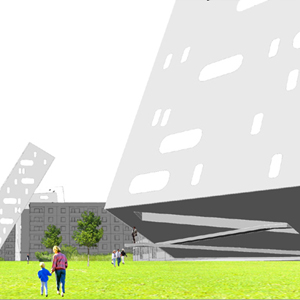
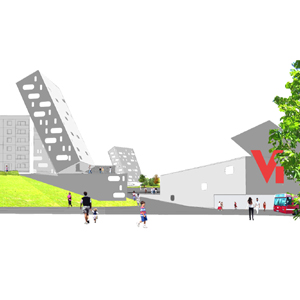
proposal for a future Gångsätra. a typical housing area for its time with 1000
apartments in 5 to 6-story buildings built 1974 on Lidingö,
client: Local
tenants' association Gångsätra
structure: Olle Norrman, Konkret,
------------
gångsätra -----------------------
illustration: peter thuvander, oscar hafvenstein
> download
image: hi res
--
gångsätra -----------------------
illustration: peter thuvander, oscar hafvenstein
> download
image: hi res
--
gångsätra -----------------------
illustration: peter thuvander, oscar hafvenstein
> download image: hi res
--
> ---> home
=====================================
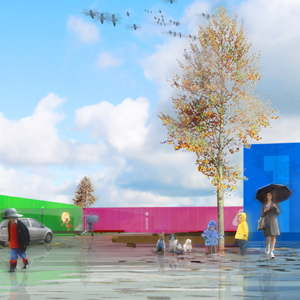
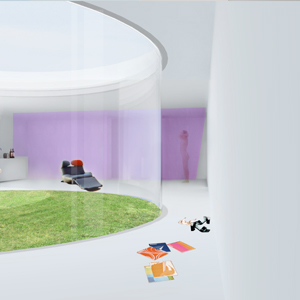
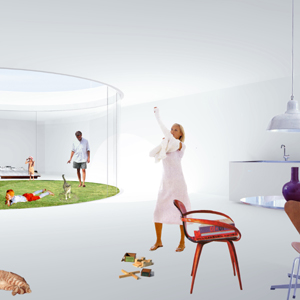
invited competition for apartments/row housing in the
client: Gavlegårdarna
------------
alderholmen ---------------------
illustration: peter thuvander, pia-lina andersson
> download image: hi res
--
alderholmen ---------------------
illustration: peter thuvander, pia-lina andersson
> download image: hi res
--
alderholmen ---------------------
illustration: peter thuvander, pia-lina andersson
> download
image: hi res
--
> ---> home
villa ww /-2004/ -------------> home
=====================================
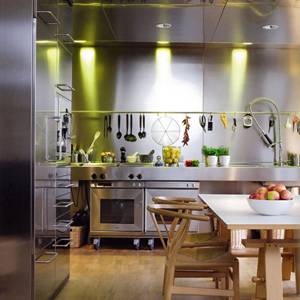
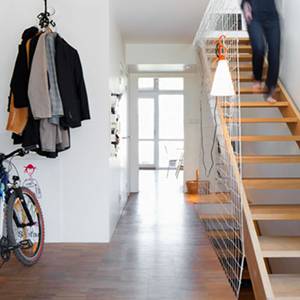
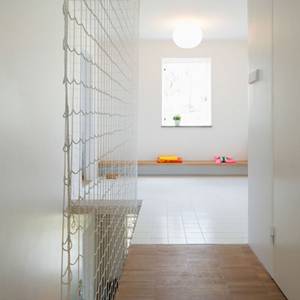
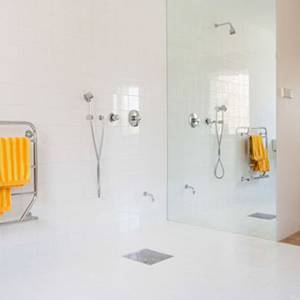
anders wilhelmson’s own home is in a terraced
row-house building from the sixties made out of sandwich concrete panels
located in Saltsjö-duvnäs. the interior was entirely redesigned in 2004 and
since then widely published due to its informal arrangement, most clearly
demonstrated in its lack of a defined bathroom.
client:
anders wilhelmson & camilla wirséen
----------------------
villa ww --------------------------
photo: patrik johansson
--
villa ww --------------------------
photo: maria rosenlöf
--
villa ww --------------------------
photo: maria rosenlöf
--
villa ww --------------------------
photo: maria rosenlöf
--
>
---> home
maria
=====================================
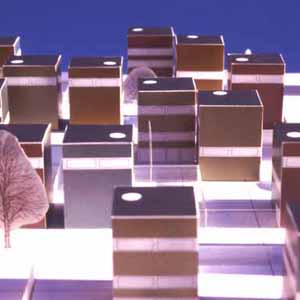
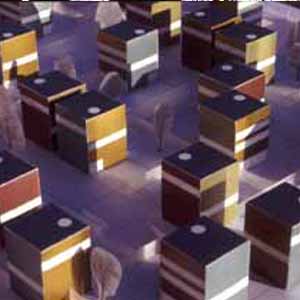
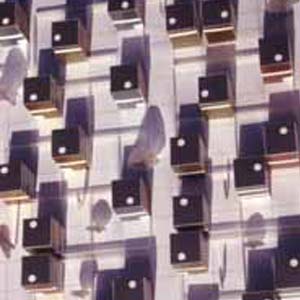
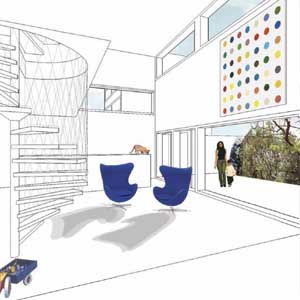
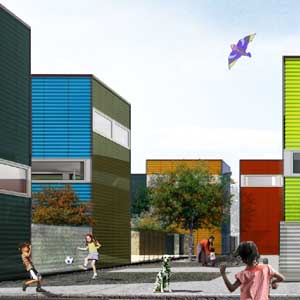
Maria Sofia is a 35 single-housing unit to be sold as a co-operative. based on
the research project 8x8 by wilhelmson, that was presented at the Architectural
museum in
each house
occupies a square of
specially concern has been given to the Swedish law of accessibility.
the housing units are designed to adapt to different orientations, giving the
area a lively character inside as well as outside. elevations are clad with
aluminum panels dyed in four different cross-over colours and then anodized,
creating a varied and luminous character.
----------------------
maria
model: wilhelmson
> download image: hi
res
--
maria
model: wilhelmson
> download image: hi
res
--
maria
model: wilhelmson
> download image: hi
res
---
maria
illustration: oscar hafvenstein
> download image: hi
res
--
maria
illustration: peter thuvander
> download
image: hi res
--
> ---> home
=====================================
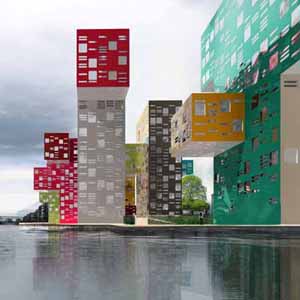
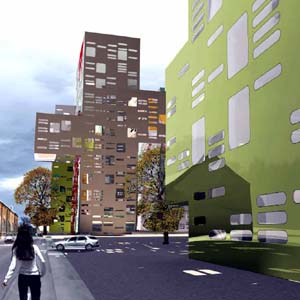
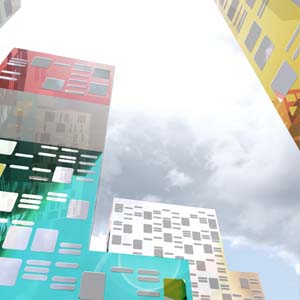
hamnen consists of 200 housing units in Sundbyberg outside
Swedish law permits noise levels above 55 dB on no more than half of the
numbers of room units of every single apartment. our desire for a spatially
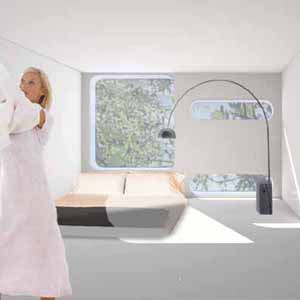
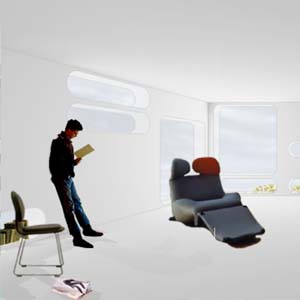
transparent environment gave the proposed configuration. the layout creates a
flowing space in three directions. along the river runs a prolonged promenade.
all apartments are sold without partitions. Sizes vary from 40 to
client: riksbyggen
structure by olle norrman, konkret, stockholm
------------
hamnen ------------------------------
illustration: peter thuvander
> download image: hi res
--
hamnen ------------------------------
illustration: peter thuvander, oscar hafvenstein
> download image: hi res
--
hamnen ------------------------------
illustration: Peter Thuvander
> download image: hi res
--
hamnen ------------------------------
illustration:
oscar hafvenstein, eveliina säteri
> download image: hi res
--
hamnen ------------------------------
illustration: oscar hafvenstein, eveliina säteri
> download image: hi res
--
> ---> home
=====================================
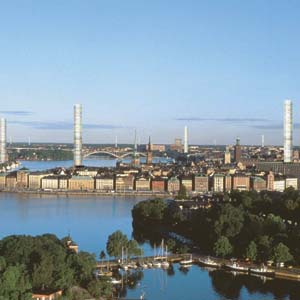
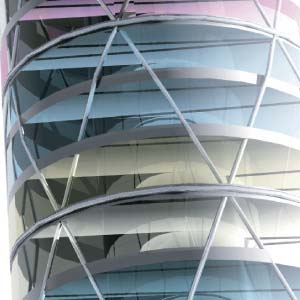
Stockholm 2030 is a research project created by wilhelmson. it is a proposal to
resolve the calculated housing requirement until the year 2030 - some 6 million
m2. the proposal suggests 500 54-storey high apartment towers evenly spread out
in the city of
exhibited at Stadsmuséet, Stockholm: Stockholm, en utopisk
historia.
exhibited at Kulturhuset, Stockholm:
Fiction Hotel
structure by
hayden nuttall, arup,
------------
Stockholm 2030 ----------------------
illustration: vasco trigueiros,
photo: jeppe wikström / pressens bild
> download image: hi res
--
Stockholm 2030 ----------------------
illustration: vasco trigueiros
> download image: hi res
--
> ---> home
the snow show /2002-/ --------> home
=====================================
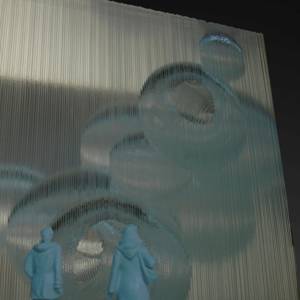
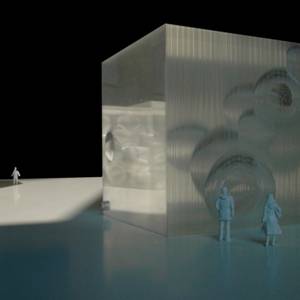
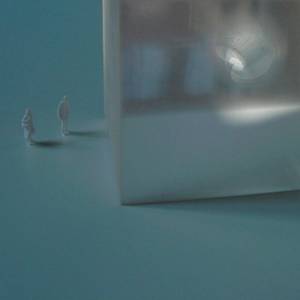
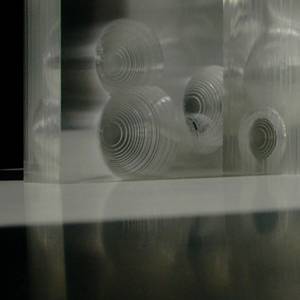
project
for a temporary ice pavilion designed for The Snow Show Lapland exhibition in
collaboration with artist Kaija Kiuru.
exhibited
at the Scandinavia House: The Nordic Center in America in the exhibition The
Snow Show: New York, 2003
exhibited
at UNESCO's Palazzo Zorzi in the exhibition The Snow Show: Venice, 2003 during
the 50th International Art Exhibition at the Biennale di Venezia: Dreams and
Conflicts? The Viewer’s Dictatorship.
client: Lance Fung, curator
------------
the snow show --------------------
model: wilhelmson arkitekter
--
the snow show --------------------
model: wilhelmson arkitekter
--
the snow show --------------------
model: wilhelmson arkitekter
--
the snow show --------------------
model: wilhelmson arkitekter
--
> ---> home
KTH /2002-/ ------------------> home
=====================================
KTH
School of Architecture, Stockholm, Sweden.
during
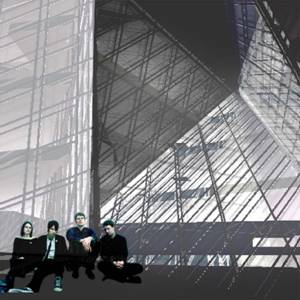
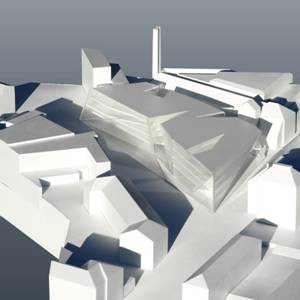
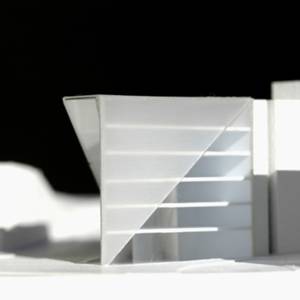
2002 wilhelmson was asked to conduct two separate studies for the KTH
Architectural School (Royal Technical University). one of them demonstrates the
possibilities of rebuilding and enlarging the existing building, the other
focused on a building program and feasibility study for a new site to be
defined in the KTH Campus area.
client: KTH
structure: Mohsen Zikri, Arup
------------
KTH (new building) ---------------
illustration: peter thuvander
> download
image: hi res
--
KTH (new building) ---------------
model: wilhelmson arkitekter
--
KTH (extension) ------------------
model: wilhelmson arkitekter
--
> ---> home
=====================================
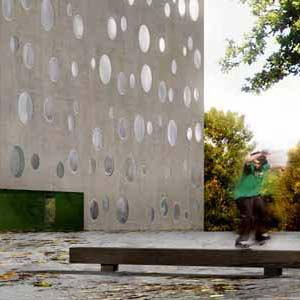
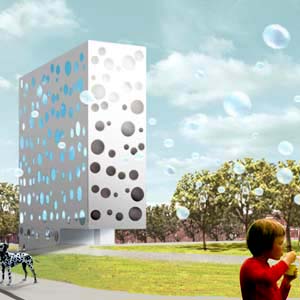
ringtorpslatsen is an abandoned space just
outside of central Helsingborg. the programme called for a housing co-operative
of about 20 units. the resulting nine-storey high building contains 16
one-storey apartments and 4 duplexes the building is approached via a
horizontal entrance court. parking is situated underground. located in-between
1970s social housing slabs and a top-end middle-class detached housing area,
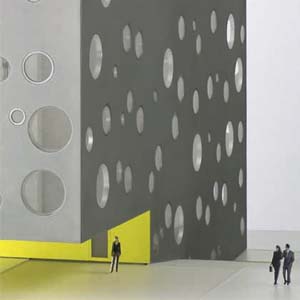
the building tries to mediate and remain indifferent to its ill-matched
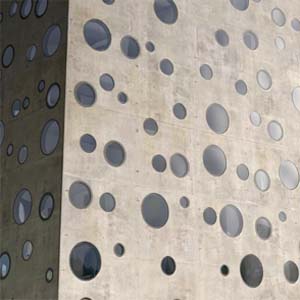
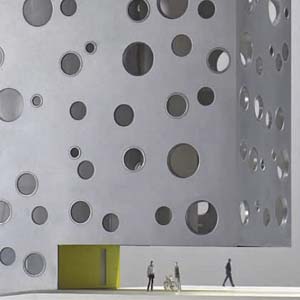
surroundings. the walls and roof are pierced with circular openings of 4
different dimensions. positioned at different heights, the windows create a
random pattern at the exterior of the building, making it hard to discern the
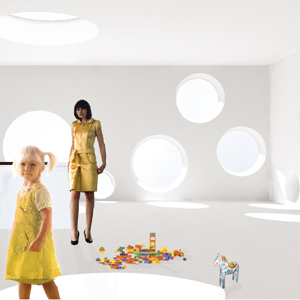
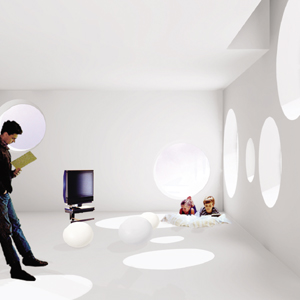
different units. all apartments are planned with an enclosing perimeter wall,
free from fixed connected interior walls. this, together with the slenderness
of the building, creates a vivid light-effect inside and outside. during
daytime the light penetrates, reflects and moves in relation to the viewers'
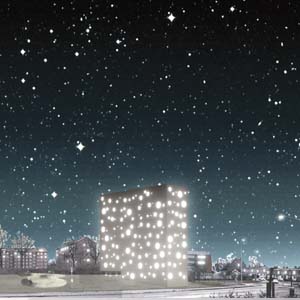
own movement. in some positions the building volume appears almost hollow. at
night it blends with the starlight. the building is cast in exposed reinforced
concrete as one monolithic piece. the circular window frames act as a
connection between the walls. entrance wall and doors are made of aluminum,
dyed yellow and anodized. this wall is the only coloured element in the
building's exterior.
exhibited in the 9th International
Architecture Exhibition at the biennale di Venezia.
exhibited at Arkitekturmuséet,
client: hsb nordvästra skåne
structure by masahiro ikeda, mias,
------------
ringtorpsplatsen --------------------
illustration: peter thuvander
> download
image: hi res
--
ringtorpsplatsen --------------------
illustration: peter thuvander
> download
image: hi res
--
ringtorpsplatsen --------------------
illustration: anna chavepayre
> download
image: hi res
--
ringtorpsplatsen -------------------- illustration: anna chavepayre
> download
image: hi res
--
ringtorpsplatsen --------------------
illustration: oscar hafvenstein, eveliina säteri
> download
image: hi res
--
ringtorpsplatsen --------------------
illustration: oscar hafvenstein, eveliina säteri
> download
image: hi res
--
ringtorpsplatsen --------------------
model: joacim bengtsson, owe stenman, ulf stenman
photo: ulf b jonsson
> download image: hi
res
--
ringtorpsplatsen --------------------
model: joacim bengtsson, owe stenman, ulf stenman
photo: ulf b jonsson
> download image: hi
res
--
> ---> home
=====================================
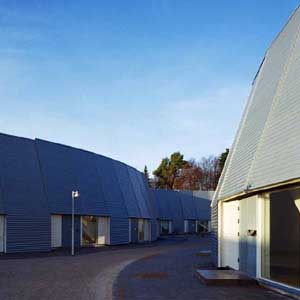
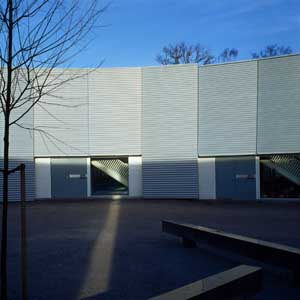
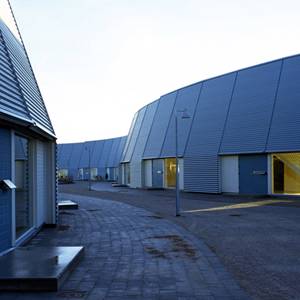
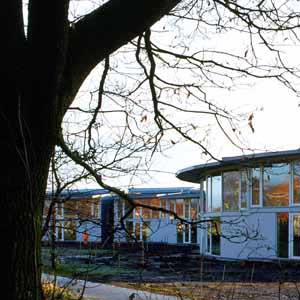
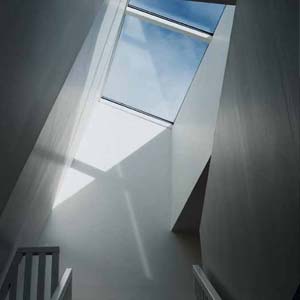
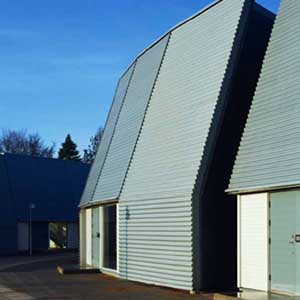
eos is a 25-unit housing co-operative in Helsingborg in the south of
client: hsb
nordvästra skåne
----------------
eos -------------------------------
photo: camilla wirséen
> download image: hi
res
--
eos -------------------------------
photo: camilla wirséen
> download
image: hi res
--
eos -------------------------------
photo: camilla wirséen
> download
image: hi res
--
eos -------------------------------
photo: camilla wirséen
> download image: hi
res
--
eos -------------------------------
photo: camilla wirséen
> download
image: hi res
--
eos -------------------------------
photo: camilla wirséen
> download
image: hi res
--
> ---> home
villa åhman /1997-2001/ -------> home
=====================================
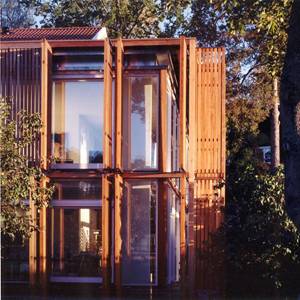
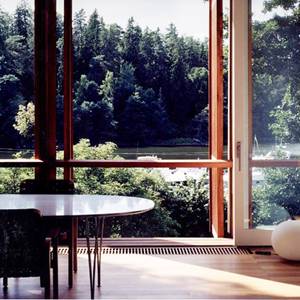
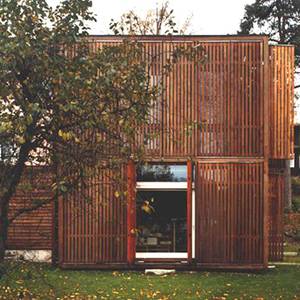
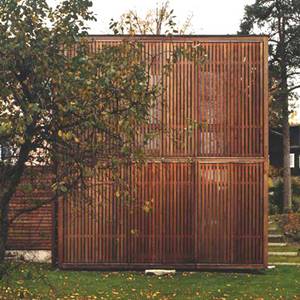
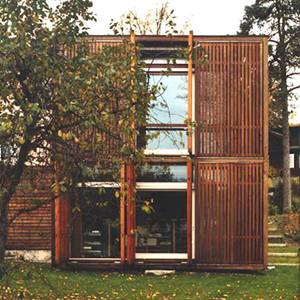
villa åhman is a large extension to an old house in Edsviken, Danderyd, an
affluent suburb of Stockholm. The house is a fully glazed building enclosed in
a large openable wooden envelope. This
cover both act as wind and sun protection, reducing the installations required
for heating and cooling.
client: Göran & Lena Åhman
----------------
villa åhman -----------------------
photo: camilla wirséen
--
villa åhman -----------------------
photo: camilla wirséen
--
villa åhman -----------------------
photo: camilla wirséen
--
villa åhman -----------------------
photo: camilla wirséen
--
villa åhman -----------------------
photo: camilla wirséen
--
> ---> home
=====================================
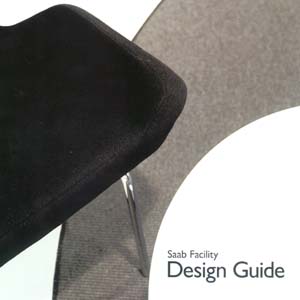
wilhelmson was responsible for Saab Automobiles' 3-d environments, such as
showrooms, exhibitions and launches. we were also involved in designing the
virtual showroom on their forthcoming homepage.
prof.
client: saab automobile ab
/ gm
structure saab city centre london by tim macfarlane, dewhurst macfarlane and
partners, london structure saab motor show frankfurt, by torsten ulfeld, ziz,
stockholm
------------
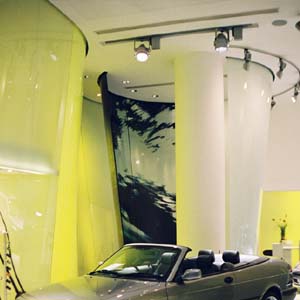
saab city centre london /2002/ ------
photo: fredric benesch
more:http://www.erco.com/projects/retail/
saab_city_p_1184/en/en_saab_city_p_
intro_1.htm
> download image: hi res
--
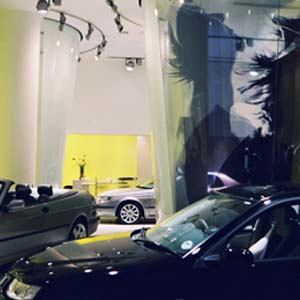
saab city centre london /2002/ ------
photo: fredric benesch
> download image: hi res
--
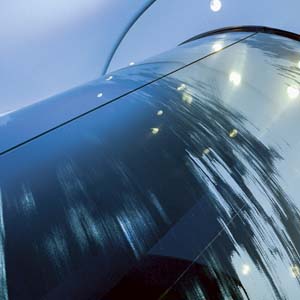
saab city centre
photo: saab facility design guide
> download
image: hi res
--

saab motor show frankfurt /2001/ ----
photo: werner hutmacher
> download image: hi res
--
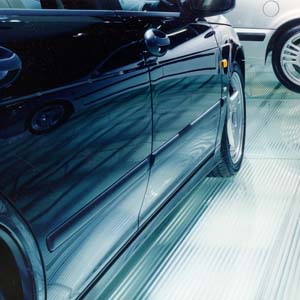
saab //2004/ ---------------
photo: werner hutmacher
> download image: hi
res
--
saab facility design guide /2003/----
cover: saab facility design guide
> download image: hi res
--
> ---> home
capella ciula /1989-1991/ -----> home
=====================================
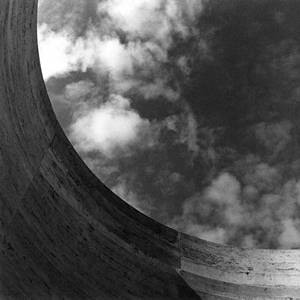
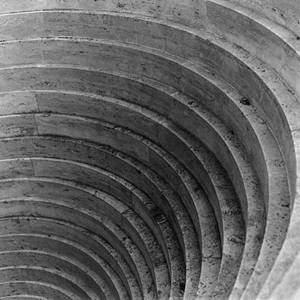
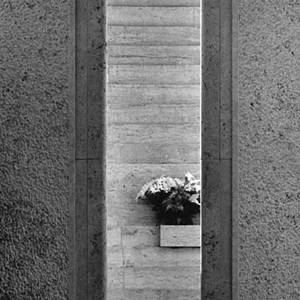
Ciula funery chapel, Canepina (Viterbo), Italy.
Capella
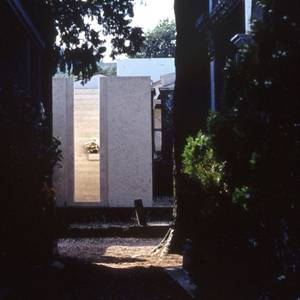
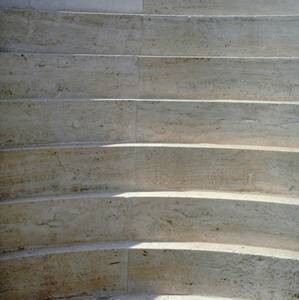
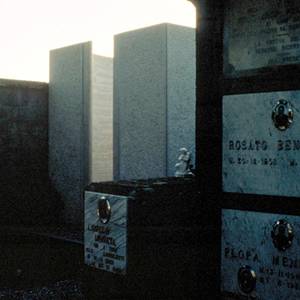
Ciula is a private burial building, a small mausoleum, where the client asked for
a nordic light inspired by the trip to northern Scandinavia during the
mid-night sun. awarded best religious building 1992 by IFRAA interfaith Forum
on Religion Art and Architecture (an organization connected to AIA American
Institute of Architects). the light of the sky is collected and kept in the
roof less space.
Capella
Ciula, Best Religious Building Award, AIA, 1992
Capella Ciula, Stenpriset, Sveriges
Stenindustriförbund, SSF, 1992
published in the book The Last House, Editorial Gustavo Gili, Spain (1999)
client: Ciula
----------------
capella ciula ---------------------
photo: anders wilhelmson
--
capella ciula ---------------------
photo: anders wilhelmson
--
capella ciula ---------------------
photo: anders wilhelmson
--
capella ciula ---------------------
photo: hélène binet
--
capella ciula ---------------------
photo: hélène binet
--
capella ciula ---------------------
photo: hélène binet
--
> ---> home
=====================================
> download text: selected bibliography
--------
periodicals
--------
Abitare
no. 24/1999
dec 2003
--
AD
no. 9-10/1998
--
Aftonbladet
no. 30/05/2006
--
AIT
no. 3/2001
--
Aktuella Byggen
no. 4/2001
no. 3/2003
--
Architectural Review
June 2004
--
Arkitektur
no. 3/1982
no. 4/1982
no. 6/1982
no. 6/1988
no. 7/1991
no. 2/1992
no. 3/1992
no. 1/1996
no. 3/1999
no. 1/2001
no. 3/2001
no. 2/2002
no. 4/2004
no. 6/2004
no. 4/2005
no. 7/2006
--
Arkitekten
May 2001
June 2002
June 2003
November 2004
February 2006
April 2006
February 2009
--
Arkitekten DK
no. 7/2007
--
Arkitekttidningen
no. 9/1982
no. 9/1991
no. 6/1992
no. 10/1995
April 2001
June 2002
--
Architectural Review
June 2004
--
Audi Magazine
no. 3/2002
--
Byggekunst
no. 1/2007
--
Dagens Industri Weekend
no. 38/2004
no. 32/2006
no. 11/2007
--
Dagens Nyheter
no. 05/12 2000
no. 24/04/2001
no. 22/07/2001
no. 06/04/2003
no. 17/08/2004
no. 26/09/2004
no. 13/03/2005
no. 24/09/2005
no. 05/02/2006
no. 26/03/2006
no. 04/06/2006
no. 26/06/2006
no. 07/10/2006
no. 30/03/2007
--
Domus
no. 788/1996
--
Elle Interiör
no. 7/2005
--
Elle Interiör, Kök & Bad
no. 1/2005
--
ERCO
Lichtbericht
September 2001
--
Expressen
no. 23/03/2006
--
Expressen, Leva & Bo
no. 1-2 September 2007
--
Faith & Form
Winter 1992-1993
--
Form
no. 6/1995
--
Forum
no. 4/2000
no. 1/2001
no. 4/2005
--
Forum AID
no. 3/2006
--
Forum Special, best interiors of the year 2000
2001
--
Frame
no. nov/dec 2001
--
Föräldrar & Barn
no. 7/2007
--
Glas
no. 1/2006
--
GT
no. 12/06/2007
--
Helsingborgs Dagblad
no. 14/10/2001
no. 15/09/2004
no. 08/04/2005
no. 11/05/2005
no. 08/11/2005
--
Hungarian Architecture
no. 6/2003
--
Hus & Hem
no. 1-2/1993
--
Konstvärlden & Disajn
no. 2/2001
--
Kulturtidskriften Hjärnstorm
no. 56-57/1996
--
Mama, Magazine for modern architecture
no. 2/1992
no. 17/1997
no. 24/1999
--
MARK
no. 23, 2009
--
Metro
no. 13/10/2005
no. 23/03/2006
no. 24/01/2007
no. 24/04/2009
--
M2
no. 2/1991
--
Nordisk Interiör
no. 3/2006
--
Plan
no. 3/2007
--
Plaza
no. 1/2003
--
Progressive Architecture
no. 4/1993
--
Psykoanalytisk Tid/Skrift
no. 2009:28-29
--
Residence
no. 1/2006
--
Romhorisont
no. 10/1985
no. 24/1992
--
Rum
no. 5/2000
no. 2/2003
no. 5/2006
no. 6/2006
no. 2/2011
--
Scandinavian Home & Lifestyle (Japan)
2006
--
Skiss
no. 3/1991
--
Sköna Hem
no. 8/2005
--
Sten
no. 4/1992
--
Svenska Dagbladet
no. 15/06/1989
no. 01/12/2001
no. 05/10/2004
no. 12/11/2005
no. 23/03/2006
no. 25/03/2006
no. 11/05/2008
--
Sydsvenskan
no. 14/05/2006
no. 02/04/2009
---------
books & catalogues & web
---------
Arkitektur I trä, Arkitektur Förlag AB
(1992)
--
New Generation of the North/ exhibition catalogue of the Nordic Pavilion,
Venice Biennale (1996)
--
Europan 4/ Constructing the Town upon the Town, Europan, France (1997)
--
Architecture in 20 Jahrhundert: Sweden / exhibition
catalogue at the Deutsches Architektur Museum, Frankfurt, Germany (1998)
--
The Last House, Editorial Gustavo Gili, Spain (1999)
--
Archi_ve_s 02,
--
10 x 10/ ten critics choice of ten innovative architects, Phaidon, GB (2000)
--
The Phaidon Atlas of Contemporary World Architecture, Phaidon, GB (2004)
--
SADY, The Swedish Architecture & Design Yearbook, Arvinius Förlag, Sweden
(2004)
--
Architecture in Sweden 2000-2005, Arkitektur Förlag AB, Sweden
(2005)
--
Arkitektens Hem, Bokförlaget Arena, Sweden (2007)
--
Key Contemporary Buildings: Plans,
Sections and Elevations, Laurence King Publishing LTD, GB (2008)
--
Greener than thou?/ Exhibition Catalogue
commissioned by the Embassy of Sweden in London, London, GB (2008)
--
Product Design in the Sustainable Era,
Taschen, Germany (2010)
--
Love Earth – Design for Green Living,
Victionary, Hong Kong (2011)
--
Jetzt./Now.
– Perceptions of Time and Contemporary Design, Marta Herford, Kerber, Germany
(2011)
--
Dezeen Book of Ideas, Spotlight Press, GB
(2011)
--
Theory Free Zone Festschrift, Helsinki
(2012)
--
Om femtio år med Arkitekturmuseet, Stockholm (2012)
--
Palette No.3 – Gold & Silver –
Metallic Graphics, Victionary, Hong Kong (2013)
--
Краткое
введение в
шведскую архитектуру
и дизайн (En kort introduktion till svensk arkitektur och design)
Summit/Instant Press, Sweden (2013)
--
> selected cv -----------------> home
=====================================
> download text: selected
cv
--------
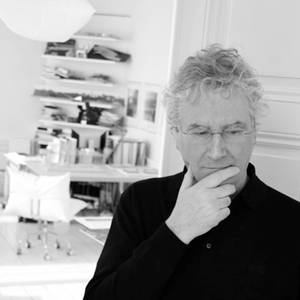
anders wilhelmson -----------------
> download
image: hi res
-----------------
1955
_Born October
------
1979
_Degree in architecture, Chalmers
Technical University, Gothenburg, Sweden
------
1979-81
_Wallinders arkitektkontor AB, Gothenburg, Sweden
------
1981-83
_Lindroos arkitektkontor AB, Stockholm, Sweden
------
1983-84
_Fellowship at the Swedish Institute, Rome, Italy
------
1985-88
_Wingårdh & Wingårdh & Wilhelmson AB, Stockholm, Sweden
------
1989-97
_Wilhelmson Arkitekter & Designers, Stockholm, Sweden
------
1992
_Capella Ciula, Best Religious building award, AIA
------
1995-96
_ SAR vice-president, National Association of Swedish Architects
------
1997-
_ Wilhelmson Arkitekter AB, Stockholm, Sweden
------
1996-
_Visiting critic, School of Architecture, Royal Technical University,
Stockholm, Sweden
------
1996-2005
_Professor, Department of Architecture, Royal University of Fine Arts,
Stockholm, Sweden
------
1996
_Representing Sweden at the Venice Biennale Architecture Exhibition
------
2000
_Wilhelmson exhibition, The School of Architecture, Venice, Italy
------
2000
_Recipient of The Swedish Architecture & Design Award, Stockholm, Sweden
------
2001, 2002
_Visiting Professor, Royal Danish Academy of Fine Arts, Copenhagen, Denmark
------
2002
_Member of The Royal Academy of Fine Arts, Stockholm, Sweden
------
2002
_Core Design Grand Prix
------
2002-2004
_ The Snow Show, Stockholm, Sweden
------
2004
_metamorph, 9. international architecture exhibition, la biennale di venezia
------
2005-
_visiting professor, design critic,
------
2006
_cities, architecture and society, 10th international architecture exhibition,
la biennale di venezia
------
2006-
_Peepoople AB, founder
------
2008-
_Professor, School of
------
2009
_Ashoka Fellow
------
2010
_Design S, Swedish Design Award
------
2012
_Design S, Swedish Design Award
------
> ---> home
> selected projects -----------> home
=====================================
> download text: selected
projects
--------
NK Trend clothing store,
------
Marc´O Polo,
interior design,
------
Bélem Cultural
Centre Lisbon, Portugal (international competition by invitation, 1988)
------
Showroom design
program for Vitra / Vitra International,
------
Ciula funery
chapel, Canepina (Viterbo),
------
Villa
Gustavsson,
Nominee Swedish Woodbuilding award, Permanent collection Swedish
------
Televerket
Radio headquarters and distribution centre,
-----
Transformation
of the former stables of Farfa monastery into hostel for the nuns of St.
Brigida,
------
Chapel for the
nuns of St.Brigida,
------
Hamnparken
exhibition space,
------
Temporary
workshop for the restoration of the Nidaros cathedral.
------
Neu-Allermöhe
West school buildings and shopping centre,
------
------
Europan 2, residential
housing, Strandängen, Jönköping
------
E97S, Expo 97,
------
Protective
shelters for rock-carvings,
------
Museum of
contemporary Art,
------
Europan 4,
residential housing,
------
Pool house,
------
New graphic
design concept for the petroleum supply stations of Preem Petroleum (1997-)
Graphic Design: Johan Cnattingius Kingston
------
Villa Åhman,
Edsviken, Danderyd,
------
Storage facility
for agricultural machinery,
------
HSB residential
housing, kv EOS Maria Stad,
------
Residential
housing, Saltsjöbaden,
------
Rintorpsplatsen,
residential building, Helsingborg;
------
Kvarnsjötorp,
residential housing (competition by invitation, first prize, 2002-)
------
Villa Ullakko, Djursholm, Stockholm,
Sweden (project, 2002-)
------
New Office building
for Preem Petroleum.
------
Type Villa, HSB Nordvästra Skåne (project
2004-)
------
Architect
school KTH (Royal
------
Stockholm 2030,
research project for the future of
------
Hamnen, invited
competition for residential area in Sundbyberg (2004)
------
Maria Sofia,
Residential area,
------
Saab Automobile
------
Showroom design
program for Saab Automobile (1988)
------
Architectural
setting for the global launch of the new Saab 9-5 automobile (1997)
------
------
Member of Saab
Creative Team (2001-)
------
Saab Exhibition
Systems (built 1997 - , second system 2001-, third system 2003-)
------
Saab Facility
Design program
Global Retail Design program for Saab Dealers, implementation since 2001
------
Saab City
Centres (Berlin, 2001,
------
> ---> home
collaborators -----------------> home
=====================================
> download text: collaborators
--------
björn andersson
lenastina andersson
pia-lina andersson
fredric benesch
joacim bengtsson
susanna bremberg
richard bernström
john billberg
anna chavepayre
daniel dahlgren
david gillberg
olof grip
torbjörn gudmundsson
oscar hafvenstein
petter haufman
anders henningsson
werner hutmacher
masahiro ikeda
mitzutaka inagaki
marina karlman
carl johan kimell
peter kinnmark
fredrik larsson
ivo lejon
nina lorber
ellen lothigius
henrik lundén
malin lundström
hayden nuttall
tina nordenström
olle norrman
per odebäck
hiro-fumi ohno
anna pang
mikael rhodin
einar rodhe
elin rosenberg
nils sandström
alexia staaf
owe stenman
ulf stenman
theo storesund
göran stålbom
sheng sun
peter sundin
takashi suzuki
bibbi svensson
eveliina säteri
danyal taylan
kerstin thorbech
peter thuvander
vasco trigueiros
torsten ulfeld
mårten ubbe
janica wiklander
camilla wirséen
joanna zawieja
sigrid zenger
> ---> home
webdesign: --------------------> home
=====================================
> muungano
> ---> home
> THE ENIGMA OF DEPARTURE -----> home
=====================================
> download text: teod
THE ENIGMA OF DEPARTURE
the architecture of
By Roger Connah 1999
If lateral thinking chooses to use chaos it is chaos by direction, not chaos
through absence of direction. All the time the logical faculty is waiting to
elaborate and eventually judge and select what new ideas are generated. The
difference between lateral and vertical thinking is that with vertical thinking
logic is in control of the mind, whereas with lateral thinking logic is at the
service of the mind.
E. de Bono
In many of the stories associated with 'lateral thinking' once the solution is
revealed, it can appear so obvious as to be almost trivial. Often it becomes
difficult to understand why the conundrum appeared so troublesome to solve.
There is architectural method in this which allows us to appreciate the
spontaneity, the rigour and ultimately the running critical logic that
There is nothing academic or quasi-mystical about a comprehensive theory
claiming that chaos helps us to understand the world. It is built up this way,
it has certain characteristics that we can manifest in architecture. In many
ways it provides very rational effects.
There is a critical pragmatism in this, an intelligent appropriation of
architecture to the extent it resolves a brief with a solution worth retaining.
A project can have as much fullness at its departure as it succeeds in keeping
during its critical development into an architectural solution. Possibly
connected to the self-similarity of fractals, this approach is both departure
for an architectural experience and critique for the logic of architectural
form that results. As is recognised in 'Pragmatism', concepts are habits of
belief as much as they are rules of action. In this way John Dewey's notion of
enquiry would be paralleled by Wilhelmson's desire to reduce the speculative
excesses within architecture.
Two stories and projects will help us bracket Wilhelmson's working methodology
and the solutions he is able to come up with. In the late 1980s he was
presented with a brief for a Burial Chapel in
Painterly, this is not the complexity gained from a perspective viewing. Viewed
at some special moments there is, like the Northern lights, only a wash, never
a contrast. Harsh, unappealing, a contrasting light would only point up the
architectural form. Here as if de-visualing is an intention, the richness in
this non-decorative work is far away from the more inflected minimalism and
will to abstraction usually associated with such a solution.
Controlled by requirements, the economy of resolution in no way hinders
richness. Beyond semiotic impulse and this will for the abstract, the
uninflected hierarchy of the solution appears obvious. With most situations, as
de Bono puts it, what starts as a temporary and provisional manner of looking
at them soon turns into the only possible way, especially if encouraged by
success. In time the figure which was once arbitrarily divided into 'T' units
is seen to be no more than an arrangement of 'T' units. In Wilhelmson's enquiry
this is what we might term the 'dimension of appropriateness' he wishes to
bring to architecture's contribution to the experienced world.
For me as an architect, it is a matter of finding an unromantic return to nature.
We must recreate our relationship to what is fundamental without as a
consequence running away into the forest. In this situation I feel that the
computer, chaos theory and modern mathematics can help us achieve realistic
architecture.
That eventual architectural solutions may appear 'logically obvious' suggests a
fresher if not altogether newer logic in relation to architectural departure
and the experience offered. Echoing the serious not truncated pragmatism of
Dewey, any 'truth' in these architectural resolutions is closer to Dewey's
proposal of 'warranted assertability'. Here cognition is more dynamic. Knowing
- chaos theory, modern mathematics or glass technology - is a constructive
activity and we see an architecture emerging from a structured common sense, a
continual elaboration and testing of appropriate architectural resolutions.
Aware of the history of innovation, aware of material development, Wilhelmson
can call upon technology to advance an unlikely project. This is a directness
that leaves aside a priori conceptualising and critical scaffolding. A direct
(not literal) architecture 'for what it is'; slatted timber walls can be
modulated much as a fish might have scales, regular from one direction,
anamorphic from another as in the Mariastad Housing Project (1998-).
In retrospect such resultant directness and 'obviousness' never lessens the
rigorous departure in the thinking, rather it relieves the anxiety of
deciphering architecture as code. In many ways the architectural confidence in
such departure suggests that both the arbitrary and the predetermined source
might lead to predictable, repetitive but tested architectural form. This
however is inapplicable to Wilhelmson. Accidental symbolic weight might follow,
but projects have an inner logic, even an inner speech. When played out in the
pragmatic contoured conditions of the site, environment and building -
instruments for dealing with the experienced world through architecture - those
very conditions inform and shape the architecture. In this way 'sculpting' is a
metaphor of the cognitive approach and enquiry, not a visual device or metaphor
of malleability that ensures buildings turn out organic or morphogenetic. These
latter would be grander gestures than Wilhelmson feels necessary for contemporary
architecture. Nature is an organic unity that needs no coerced fragmentation or
implied discontinuity. Nor does it invite easily morphological pre-determinants
to question that unity.
In my office work we work entirely freely towards rational design, which I
claim is economical. According to this principle we can design interiors,
high-rise buildings, homes or units - it works for both big and small. The
experiments that we have carried out show that this is possible.
Uninterested in the alibis of deciphering architecture, any a posteriori
rationalising of architectural intention, or even the representation of
problematized meaning and a subsequent torturing-out into a deconstructed or
eventful metaphorical architecture are, to Wilhelmson. self-fulfilling
processes akin to a vertical or convergent thinking. The generative method of
this approach then echoes and closes on the vertical logic of its own
departure. The apparent arbitrary departure of the thinking behind Wilhemson's
architecture goes against such predeterminism. Neither negating the rigour
brought to its process, nor invalidating the necessary pragmatics of the final
architectural solution, the work can be seen to offer an uninflection, an
architecture 'in the cut'. To de-limit an architectural solution, to see only
partial totalities, in no way restricts the 'completeness' or fullness of the
architectural experience. Method here is not restricted to a specific sphere
but simply a reflective way we are invited to approach architecture.
We could create environments that are completely uneven. It would affect our
lives. I think that is something basic. People live on the
Obstinacy and disenchantment with architecture and Modernism are replaced by an
optimism. Get in late, get out early, tell it in the cut, as Mamet says. In the
best cases the pragmatics behind this thinking is strictly conditioned to
respond to the initial enigma. As in the recognised rigour within 'Pragmatism',
within lateral thinking or even a strategy of divergence, there is no loss of
discipline in the refinement, nor is there the fringe of compromise about this
type of cognitive and tectonic enquiry. Here too there is a professional
engagement which sees the architect opt for near-rational, certainly
verifiable, architectural solutions in the knowledge that work is not only
drawable, it is buildable. In this way there is an ethical whiff of the
dissident in Wilhelmson's sound work, which critiques the very stability of a
profession that might opt not for such apparently adventurous and 'impossible'
architecture. Ideology and the professional are less fragmented than we think,
clarity waits nearby ready to improve on an already familiar, wishfulfilled
architecture. Given the chance!
The distance to nature is now so great that we are beginning to pretend it does
not exist. But I have always claimed that one must also regard the city as part
of nature. It always has weather so in that respect nature is always present.
A serious approach to a much undervalued pragmatism is due to relieve
architecture in the coming decade of an indulgent, cynical will that has often
produced from dazzling tropes, the spectacular at the expense of unintrusive,
uninflected works. Certainly Wilhelmson does not begin with an agenda where, in
retrospect, a charmed and charming collaboration provides the rationalising
logic for any ultimate fragmentation or morphogenetic dancing. And though such
fractal work, self-similarity and freer form may at times bring Wilhelmson
close to this, he will veer from such high-probability architecture by allowing
the uninflected to inform not only the departure of his work but all proceeding
stages. As in lateral thinking, thinking itself rebounds to test the very
logical sequence imagined. Re-working and re-thinking are fundamental to such
constructive and purposive view of architecture.
Nature creates in a very rational way. I do not need to build in right-angles
to create a windbreak or sunny area, I can build much more densely with sharper
angles or no angles at all...if there should be an excess somewhere, I cut it
away, and shape it freely.
Wilhelmson's net projects developed in consultation with Ove Arup &
Partners indicate the direction of the malleable, contouring form, familiar
from images of Italian farm workers throwing nets on the ground to collect
olives thereby imprinting the contour, or gardeners throwing soft protective
fabrics over crops thereby taking on the contour of the 'roof' of the crops.
Utilising this 'textility' for a protective roof for rock carving in Tanum on
Sweden's west coast, Wilhelmson uses two differently deformable net layers, an
upper one for rain protection and a lower one with a dralon cover to let light
through but shield out dangerous rays. Later in the Strandvägen Exhibition
pavilion project the net developed into a computerised system whereby the weather
itself shapes the form of the net. Familiar as the continuing dialectic between
order and disorder may be, there is nothing necessarily familiar in the
solutions arrived at. However predictable or even trivial departure might be
for architectural energy, there is also nothing trivial in the systematic way
the function of thinking-through eliminates unnecessary complexity in the
pursuit of an identifiable, unhysterical, even justifiable architecture.
Wilhelmson also looks set to continue exploring both the strong psychological
need for the irregular and the tectonics that not only tames it - that is makes
it imaginable and buildable - but offers unpredictable, unintrusive richness.
We cut out these forms completely at random, without any preconceived aesthetic
concept. You get natural spaces, as in an old mountain village where there is a
homey feeling for what has been there before, but a feeling of strangeness for
that which has not.
The tectonically-elegant Farm Storage Barn in
It's not certain that everything is going to become simpler, but I believe we
must move more toward the complex - not as an aesthetic term but purely pragmatically.
Having said that, Wilhelmson is not involved in any false use of complexity, or
the uncanny to ease the architectural solution, nor is the visual exuberance of
the work something predermined as in more derivative work. Seeking neither a public
symbolism nor an anxiously coded hermeneutic, this offers the luxury and the
demand for a finely tempered, structured solution. Somewhere in the enigma of
the departure and the rigour of the process there is not a deformation at work
as much as possible new discoveries.
Genuine creation often begins like this until it appears logically obvious and
seeks echo elsewhere. Such third effect in architecture applies uniquely to
Wilhelmson's work, seeking not only the logical faculty which propels the work,
but at every moment, through models, a testing and monitoring of the very
spontaneity of architecture's promise. Inviting the intermediary, the
elaborated result is as uninflected as it is lucid. This is a revelatory
alertness and practice, not the seduction or magic of the spectacular.
... this is part of mankind's need to strive to achieve a balance between order
and disorder. Somewhere we must find that balance again, and today we can
create this irregularity artificially.... The question of mankind's balance is
immensely basic to our architecture having become what it is. In a world in
which we are always outdoors, as in the past, flat surfaces are not so
important. It's not until we become civilised and sit down that we need a
horizontal plane.
The pragmatism implied in lateral thinking in some ways calls for a privilege
given the horizon. This is not the flatness of the horizon as much as it is its
openness. From the West coast of
I think if these buildings were built, people would experience them in a
natural way. They are provocative on paper, but natural in the real world if
you don't think too much. The problem with the buildings we have designed is
that they are considered practical to build which masks them a threat.
Our second story concludes our bracketing of Wilhelmson's work so far. In the
1990s Wilhelmson has been the Design and Exhibition architect for Saab
Automobile. Each monthly global exhibit demands the clarity of a system, the
innovation of material, the served and celebrated function and the 'punctum' -
of course - of something 'Swedish'. Inside a minimally slanting lit glass
floor, between the VIP and display area, recently Wilhelmson placed a huge
oblong of ice. The simplicity of the solution actually hides the less than
ordinary science needed to 'construct' such a form. Ice this form and size is
no ordinary ice, needs no ordinary science.
That's what's exciting. With modern computer
technology we can progress with these methods... up until then we mostly worked
with a copying machine and cut and pasted, sculpting a result.... a random and
goal-directed process.
Ditto architecture! A future systems not quite in the way we have come to think
of it in relation to architecture, Wilhelmson bears out a comment from Edward
de Bono, "even if the usefulness of play were accepted, very few people
would find themselves able to play." As with any creative thinking, it is
just as difficult to create a deliberate architecture which must never appear
to be deliberate. Chance and play in this case depend for their success on the
rigour that can be grafted onto architecture's accident. Spontaneity does no
service to a talented quest such as this. If as de Bono continues, "it is
difficult to set off in a direction towards nowhere," it is equally difficult
to rid oneself of the direction nowhere. The paradox is sharp and indeed
threatening to the high-probability and familiarity of contemporary
architecture. There is something avant garde and buildable at the same time in
Wilhelmson's quest for an architectural logic, a balance between order and
disorder. The subsequent architectural reality brought to the works leaves a
careful complexity underlying what is in fact offered, a spatial and
architectural generosity. Irregularity here is not agonised, it is not
representative of a de-familiarised, dis-membered world. It is simpler than
that. It is re-familiarised as the unknown again takes on the qualities of the
known just as nature's dynamic repeats the unrepeatable. As a critical model, a
practique for actual architecture today this is a parallelism to the specular
and spectacular models of architectural thinking - a parallelism, however,
unlikely to remain unrecognised for much longer.
Roger Connah c. July 1999
> ---> home
--------------------------------------------------------------------------